



The warranty phase is arguably the most important part of a new home buyer's journey. And it can get ugly when things go wrong. Most builders refer to their warranty departments as Customer Service or Customer Care – names that put the customer first. Yet when the interests of the builder come before those of the customer, it can be a big problem for both. Here's why.
Customers have high expectations for their home warranty.
One could say the auto industry is to blame. Most people are familiar with the bumper-to-bumper warranty. This covers almost everything that happens during the first few years of ownership. It gives the customer complete confidence that the car company stands behind its product and workmanship.
Homebuyers today expect something similar from builders. After all, their house cost ten times as much as their car. If they can get a quality guarantee for the 2nd most expensive purchase they'll make, why not the first?
Why is warranty the most important part of the home buying journey?
The warranty phase is the last chapter of the home buying experience. This is where the peak-end rule comes into play. The rule states that people judge an entire experience based on two moments, the emotional peak and the ending. Even if the build went smoothly, the warranty phase becomes the part they remember most because it’s the final interaction they have with you.
If the ending feels frustrating or painful, it colors the story of the entire home buying journey. If the ending feels supportive and responsive, it often outweighs earlier bumps in the process. This is why buyers who were happy at closing often still write negative reviews weeks later. The warranty experience is the part that’s freshest in their minds, and it becomes the version of the story they repeat to friends, family, and social media followers.
How warranty builds the trust required for “buy it now” homes and the self-service model
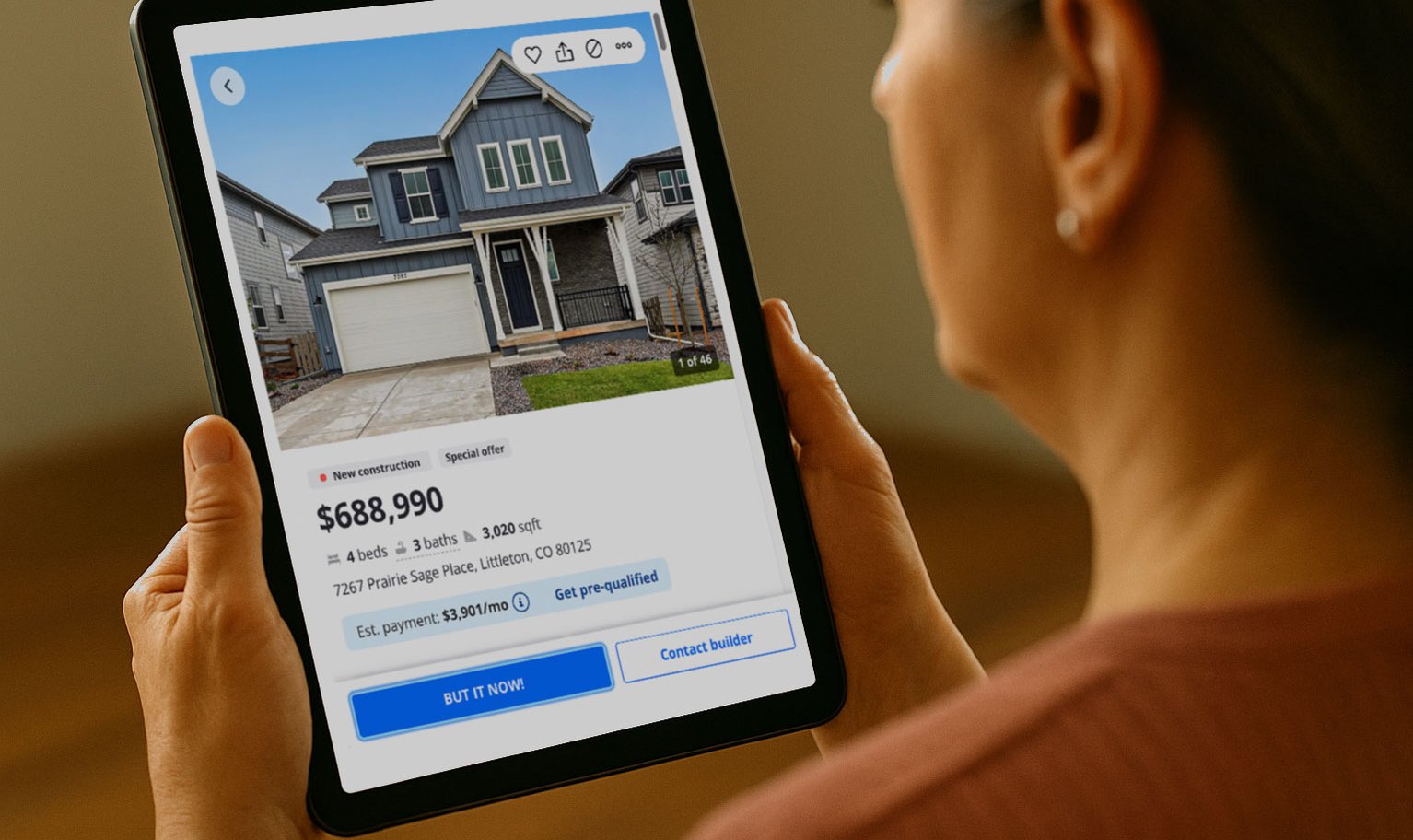
If the future of selling homes is online, then customer reviews and the product warranty are critical trust-builders to help ease the doubts of anyone looking to purchase sight-unseen. Look at companies like Carvana and Amazon. They recognize how important trust is to the self-service model. Without it, there's no way they would still be in business. In the auto industry, people used to say no one would ever buy a car without seeing it in person. But the industry found a way to instill enough trust to disrupt the old-school sales model.
What are home builders doing wrong with their home warranty?
I was once told by the CEO of a top 50 builder "we can't afford to invest any more money in warranty than is absolutely necessary." This makes sense considering the current business model positions warranty as a cost center. To maintain profitability, it is important to minimize the cost of repairs. This makes warrantability a contentious issue between buyer and builder. It also makes the "bumper-to-bumper" approach very difficult for builders to replicate.
This isn't something that all buyers understand when they purchase a home. Especially if their salesperson haphazardly used the warranty as a tool to overcome objections about quality early in the selling process. They set poor expectations just to get the deal done. This in turn becomes the main reason builders' customer satisfaction survey scores drop shortly after the home has been delivered.
How trade schedules make warranty harder than it looks
This story probably sounds familiar: A homeowner is planning the first get-together in her new home and notices nail pops in the dining room three weeks before Christmas. What feels like a simple fix often turns into a chain of steps. Drywall has to be opened up, repaired, and left to fully dry before the painter can return. If either trade is backed up, the whole process stalls. This can mean multiple visits spread out over weeks, sometimes months.
It’s super common. The customer has no idea that the painting subcontractor had 30 homes in his schedule, and her minor repairs got lost in the shuffle, or that the drywall crew’s delay pushed everything back. All she sees is that the issue is still there, the schedule keeps slipping, and her holiday guests will be staring at unfinished drywall.
Another warranty experience fail: making it difficult for buyers to submit warranty requests.

Customers are often forced to fill out non-user-friendly forms or use clunky back-office systems or websites that complicate the process. When something goes wrong, the last thing your customer wants to do is figure out how your system works. Most of the time they just want to pick up the phone and call someone.
How to fix this warranty fail:
We should remove all obstacles for submitting repair requests.
Act like your customer and go through the process for yourself, to see if there's friction. Your goal should be to get a response to your test request within minutes, not hours or days. Be aware that not everyone is comfortable using your technology. Find out what's easiest for them. This can be measured using the Customer Effort Scoring (CES). Ask the service request team: "How easy was it for you to resolve your issue?" The best warranties make it seem effortless.
Next, empower your frontline colleagues to concentrate on the relationship.
A person who bought a house from you wants to believe it was a good decision. They want to feel like the Customer Care person answering the telephone has their back, and will do whatever it takes to resolve the issue. The majority of customer service reps I've met are eager to help but not empowered to do so. Do not assign inexperienced "admins", who are responsible for data entry, to the frontline for warranty requests. They should be held accountable for following up and resolving issues. Customer service reps who go above and beyond to help customers fix their problems are consistently the ones mentioned in positive online reviews.
Rethinking the home warranty: new business model for home builders
Builders who are willing to look at how warranty fits in with their overall business plan have the best opportunities.
Reframe your program to be a referral generator, not a cost center. The gap between a satisfied customer and a frustrated one should inform how you design your business model. When you treat warranty as a relationship opportunity instead of an expense, it becomes a program that customers notice and one that helps you win more business.
Instead of viewing houses as products, think about the experience of living in your home. This is where long-term service strategies fit in that can create new value for buyers long after the closing. This can lead to new revenue opportunities and customers who will stay with you for life. Virtuo, for example, partners with builders to provide concierge services such as moving, lawn care, and cleaning, among others, for new buyers.
Another way to look at it is similar to the "Dollar Shave", which involves selling a first product at a low cost (the razor), followed by consumables and subscriptions (the blades), where real profits can be made.
In housing, the upfront sale is only part of the story, and the real opportunity comes from the services homeowners rely on afterward. This strategy is successfully being used by some builders already.
We're only scratching the surface of the multibillion dollar home services market.
If done right, living in a new house should be one of the most enjoyable parts of the customer experience. It is in most cases. However, the builder does not usually get credit because of the bad execution of the warranty program. We have an opportunity to change the status quo, and set new standards for giving buyers peace-of-mind about their new homes.


.png)

